

NetSuite - Cerasis Integration
Enables live shipping rate calculations from Cerasis (GlobalTranz) directly within NetSuite Sales Orders. It evaluates item-level shipping properties, combines them with customer shipping preferences and fetches accurate freight or parcel shipping estimates.
- SKU :PRNSNCI01
- Last Update :July 2025
- Support for :NetSuite, Cerasis
- Implementation time :5 Business Days
NetSuite - Cerasis Integration
Cerasis Freight Rate Integration for NetSuite Sales Orders
Integrates NetSuite with Cerasis (GlobalTranz) to provide real-time freight rate calculations directly within Sales Orders. Automatically classifies items as freight or non-freight, accounts for shipping parameters like dimensions, weight, residential delivery, and liftgate needs, and fetches optimized shipping rates. Supports vendor-based drop shipping, declared value calculation, and special shipping groups. With seamless UI integration, users can fetch accurate rates instantly using a custom button on the Sales Order form.
Automated Freight Rate Estimation with Cerasis Integration
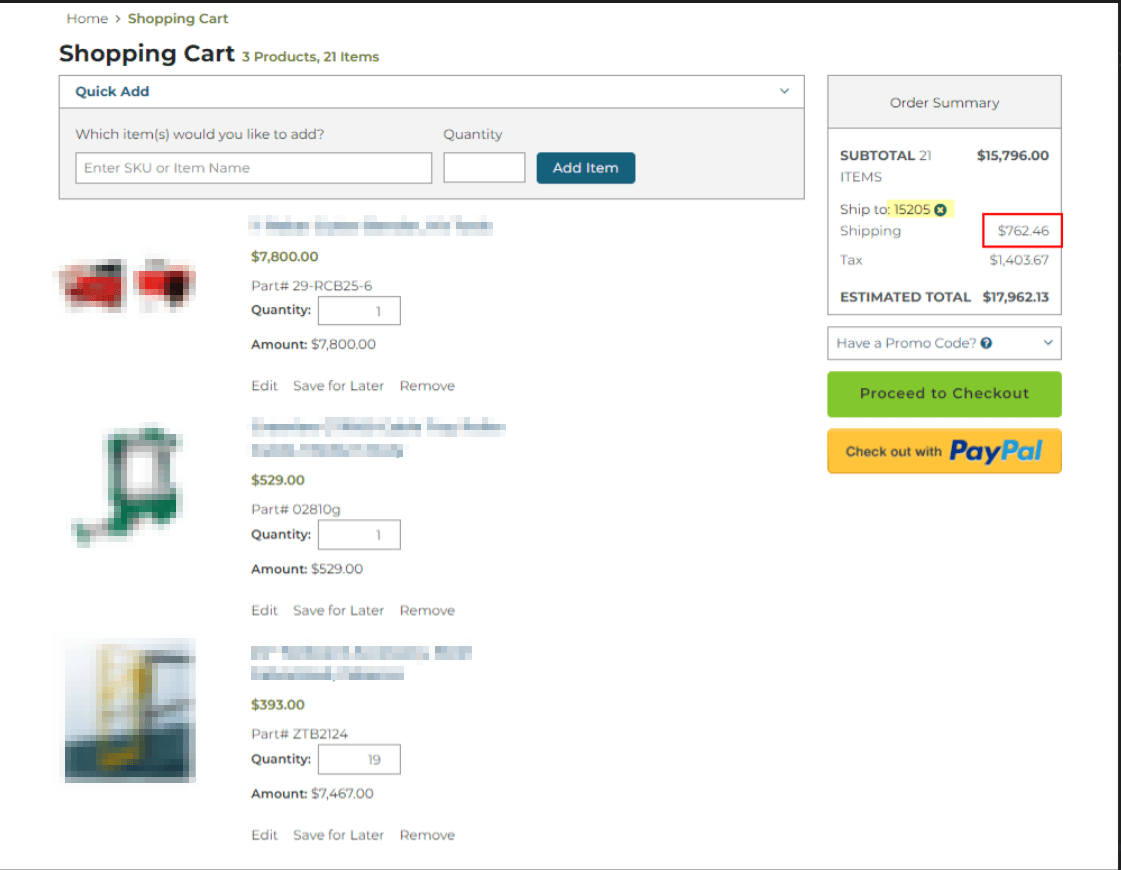
Fetch live Cerasis rates with a single click on the Sales Order form, reducing manual effort and improving quote accuracy.
Automatically identifies freight vs. non-freight items based on weight, flags, and custom attributes for accurate shipping logic.
Supports vendor-origin shipping and dropship scenarios using vendor ZIP codes, ensuring precise freight estimates from correct origin points.
Handles residential delivery, liftgate requirements, declared value, expedited shipping, and special shipping groups to match your logistics needs.
Synchronize carrier details, shipment data, and delivery schedules between Cerasis and NetSuite to maintain consistent and up-to-date logistics information.
Generate bills of lading automatically based on shipment data, reducing manual documentation and ensuring compliance with shipping requirements.
Sync freight invoices from Cerasis to NetSuite and support audit processes to verify charges, helping maintain accurate financial records.
Manage both less-than-truckload (LTL) and full truckload (TL) shipments within a unified workflow, improving flexibility in freight operations.
Align warehouse activities with shipping processes by syncing order fulfillment and dispatch data between systems for smoother execution.
Usage Requirements and Limitations
- Cerasis (GlobalTranz) API credentials must be configured and active in the target NetSuite account.
- Item records must include accurate shipping data for proper rate calculation.
- Shipping rates are dependent on Cerasis service availability and response times.
- Vendor records must have valid ZIP codes for dropship origin rate estimation.
- Freight rates are estimates; final charges may vary based on carrier adjustments or accessorial fees.
Simplify Freight Management and Improve Shipping Accuracy in NetSuite
- Instantly fetch Cerasis rates from within the Sales Order.
- Eliminate the need for external rate tools or spreadsheets.
- Enable faster quoting and order processing.
- Use live rates based on real item weight, dimensions, and freight class.
- Avoid undercharging or overcharging customers.
- Automatically factor in surcharges like liftgate and residential delivery.
- Handle mixed freight/non-freight orders and free shipping items.
- Calculate declared values and use special shipping groups.
- Enable vendor-origin shipping with dropship logic.
- Add rate-fetch functionality to Sales Orders via a custom button.
- Leverage native NetSuite scripting for seamless performance.
- Configure without third-party middleware or external platforms.
- Automates shipment processing and documentation workflows.
- Helps reduce delays in shipping operations.
- Accelerates overall shipping and fulfillment processes.
- Provides real-time or near real-time shipment data synchronization.
- Offers clear visibility into shipment status and tracking.
- Improves coordination and monitoring across shipping operations.
- Synchronizes invoices and auditing data across systems.
- Ensures freight charges are accurately recorded in NetSuite.
- Improves reconciliation and financial accuracy for shipping operations.
- Connects warehouse, shipping, and financial processes in a unified workflow.
- Reduces manual handoffs and repetitive tasks.
- Improves overall operational efficiency and coordination.
- Centralizes access to carrier data and performance insights.
- Helps businesses make informed carrier selection decisions.
- Improves carrier management and operational planning.
Frequently Asked Questions
Yes, it intelligently separates freight, and non-freight items and processes them accordingly in the rate calculation.
Yes, the integration supports dropship scenarios and uses the vendor’s ZIP code as the origin for accurate freight estimation.
Missing item data may prevent rate calculation or lead to inaccurate results; complete shipping data is required for best accuracy.
Yes, the rate calculation includes options for residential delivery and liftgate charges when enabled on the Sales Order.
Yes, the rate fetched from Cerasis can be displayed and stored in a custom field on the Sales Order for reference or further processing.
It is an integration that connects NetSuite with Cerasis, a transportation management system, to streamline freight operations, shipment processing, and logistics data management.
Cerasis enables route planning, carrier selection, shipment tracking, and freight cost management, all of which can be synchronized with NetSuite for better operational control.
Yes, freight rates can be configured and applied automatically based on predefined rules, helping ensure consistency and efficiency in pricing.
Yes, the integration can provide real-time or near real-time updates on shipment status, improving visibility across the delivery lifecycle.
Yes, freight invoices and billing data can be automatically synced between Cerasis and NetSuite, reducing manual reconciliation efforts.
Yes, the integration supports both LTL and full truckload shipping, allowing businesses to manage different shipment types within a single system.
By optimizing carrier selection, automating processes, and improving rate accuracy, the integration helps reduce unnecessary costs and inefficiencies.
Yes, by centralizing shipment, carrier, and financial data, the integration provides greater visibility and control over logistics operations.