

NetSuite ERP for oil and gas
Streamline supply chain, finance, and field operations.
The oil and gas sector faces complexity at scale. We empower operations with NetSuite to unify financials, logistics, and compliance.

Essential NetSuite Features for Oil & Gas Industry
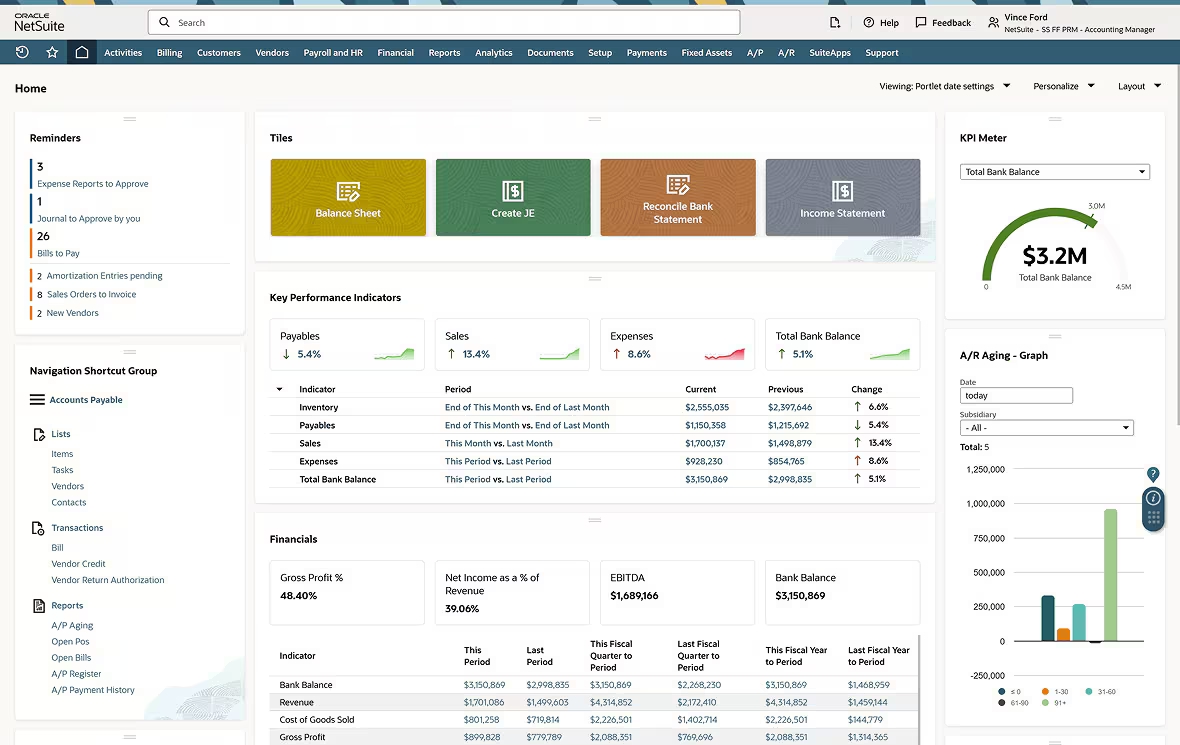
Financial Management
For the oil and gas industry, strong financial management capabilities are crucial to support complex business operations. By tracking revenue, expenses, and cash flow, NetSuite provides managers with real-time financial visibility across projects and entities. A unified system is indispensable in this sector for finance teams and decision-makers to gain accurate visibility into transactions.
Additionally, NetSuite implementation reduces manual effort, enables consistent profitability tracking, and ensures greater accountability in spending.
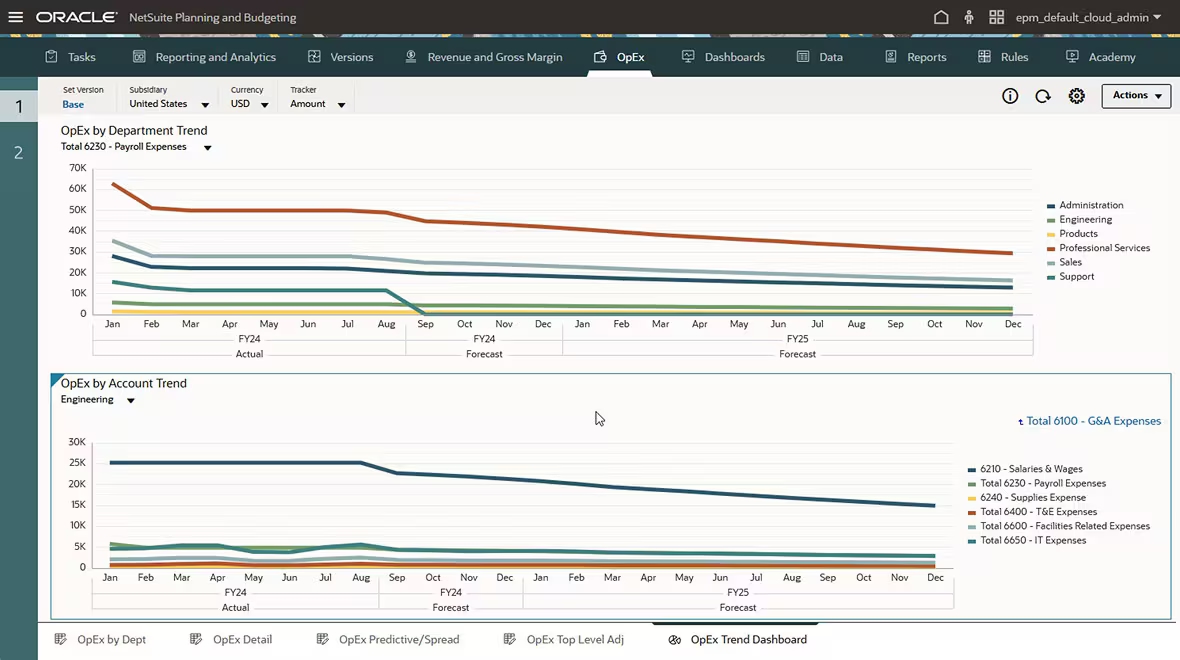
Integrated Budgeting and Forecasting
Due to fluctuating commodity prices and market volatility, oil and gas companies heavily depend on accurate forecasting for effective financial planning. By incorporating NetSuite into financial operations, companies can model multiple scenarios based on historical data, dynamic market conditions, and operational demands.
Moreover, NetSuite allows organizations to align budgets with ongoing projects, asset lifecycles, and departmental goals. Through real-time variance analysis, teams can proactively adjust forecasts and maintain tighter financial control.
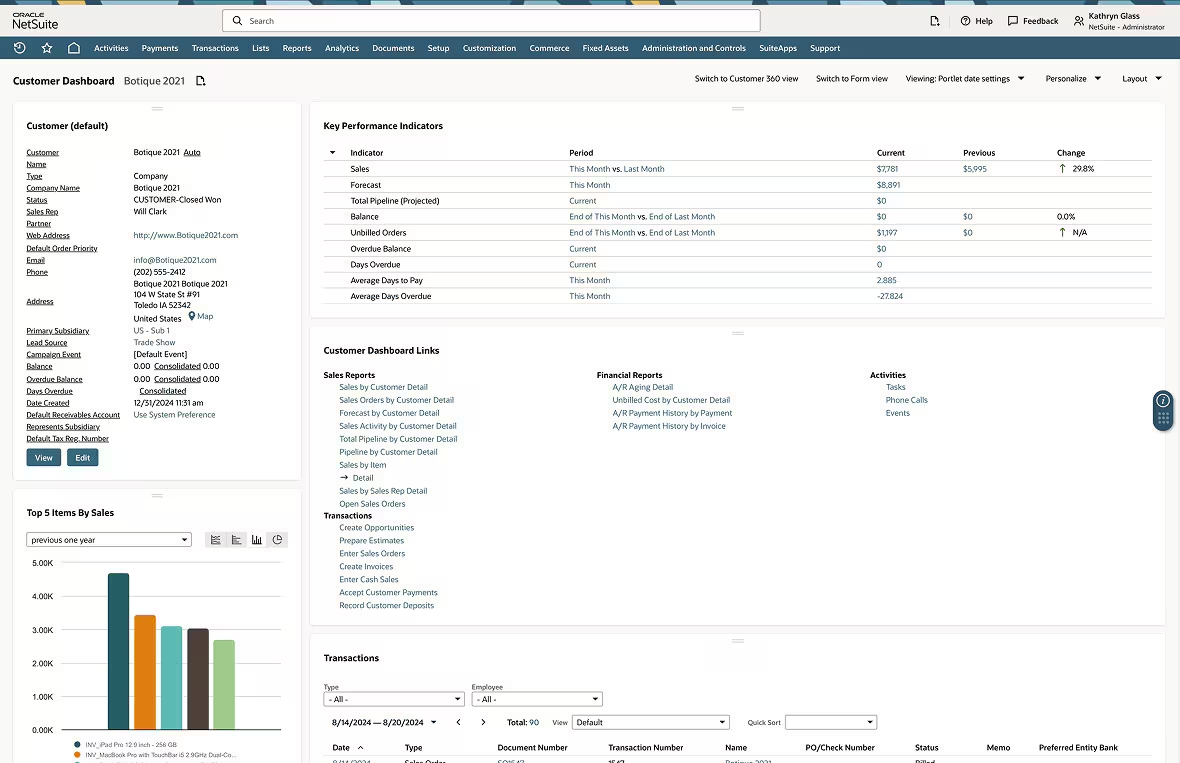
Customer Relationship Management
Having strong customer relationship management is indispensable when it comes to managing long-term contracts and complex customer engagements. For the oil and gas industry, companies can use NetSuite to centralize customer data, track sales pipelines, and manage contracts and pricing structures.
Additionally, NetSuite enables teams across sales, operations, and finance to collaborate using real-time information. Key capabilities include tracking opportunities, managing renewals, and monitoring customer profitability. Ultimately, by providing a unified customer view, NetSuite helps organizations strengthen customer relationships while supporting sustainable business growth.
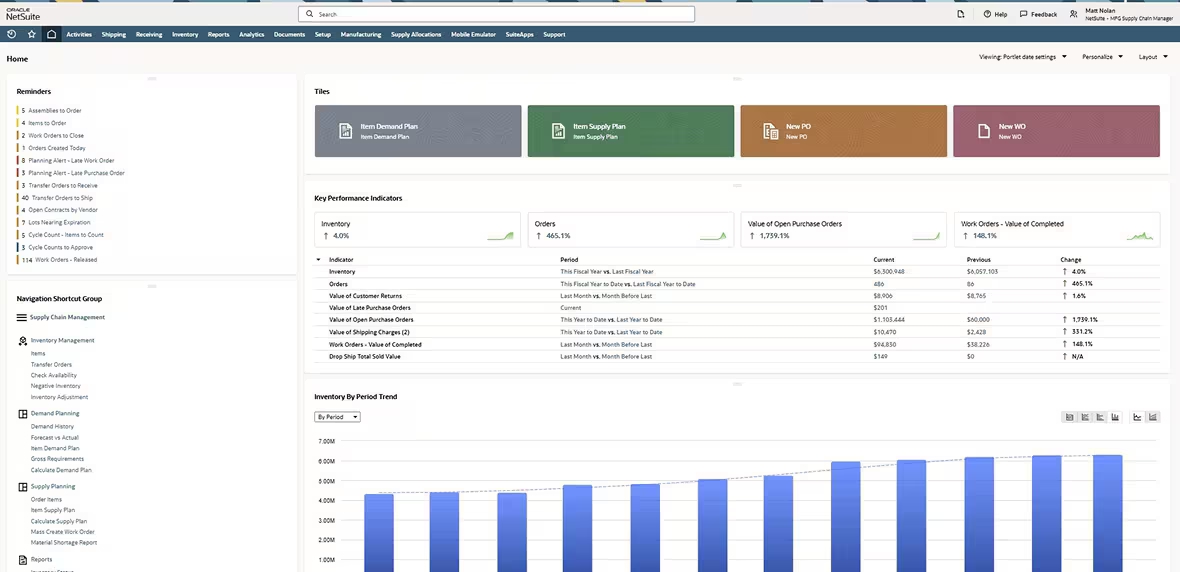
Inventory Management and Supply Chain
Managing and balancing inventory can be a significant challenge in the oil and gas industry. By integrating NetSuite into business operations, organisations gain real-time inventory visibility across multiple sites, helping maintain optimal stock levels and reduce operational downtime.
Teams can also receive stock reorder alerts, trace product lots for compliance and quality checks, track supplier performance, and optimize storage, all within a single, unified system.
Reporting and Analytics
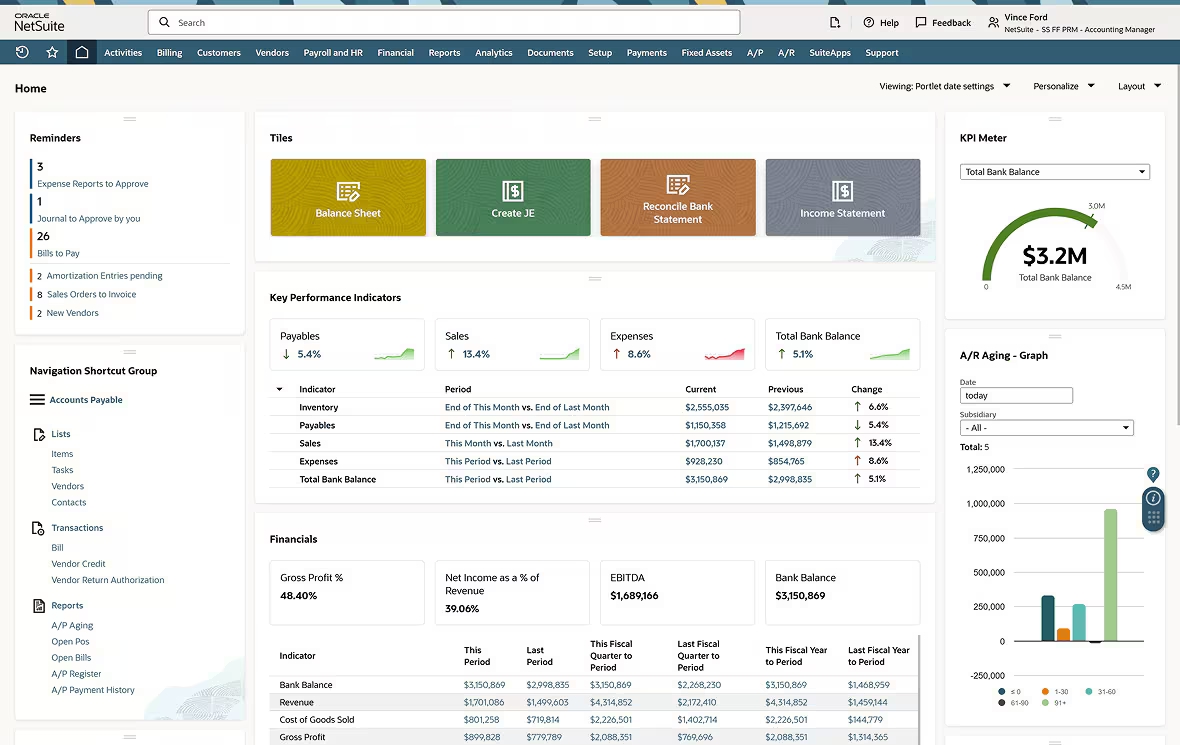
Actionable insights are integral for businesses to make data-driven decisions, monitor performance, and identify trends in market demand. NetSuite delivers role-based dashboards and advanced analytics that provide real-time insights into operational, financial, and project performance. With this visibility, companies can track KPIs related to production costs, asset utilization, and project profitability.
Together, NetSuite integration provides decision-makers with a single, reliable, and unified source of insights across departments and locations. This ultimately leads to improved outcomes, including greater transparency and stronger strategic planning.
Asset Management
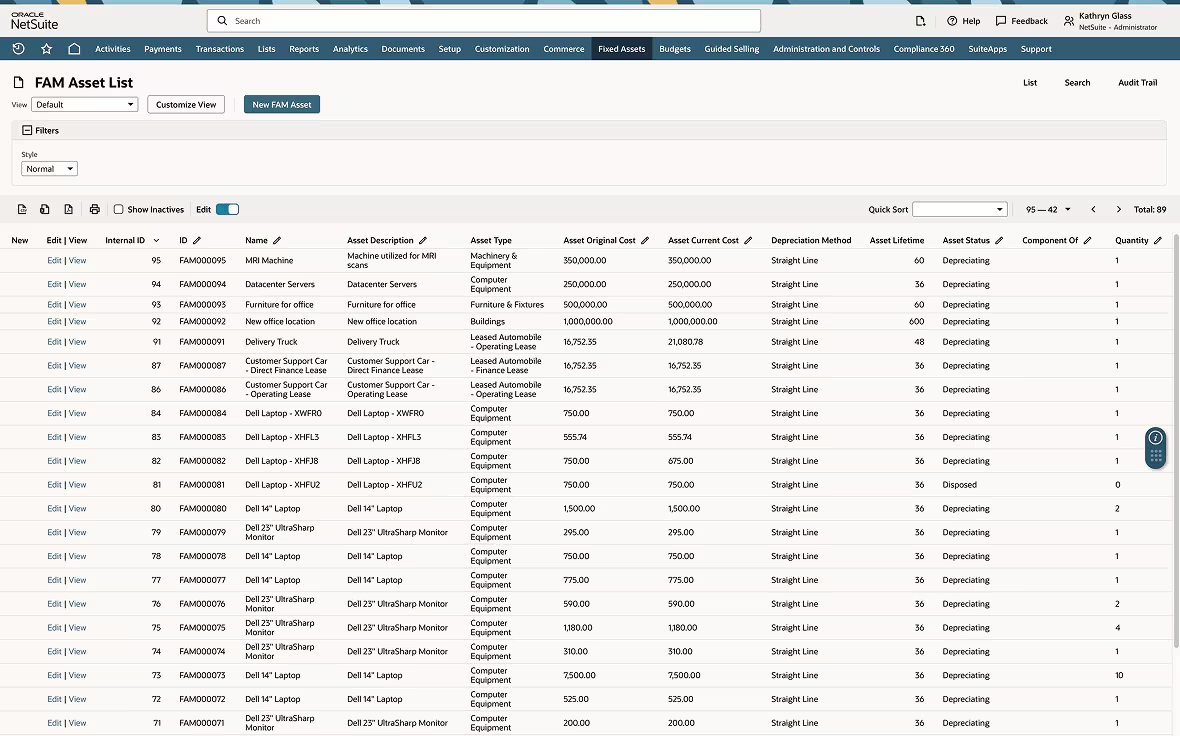
Oil and gas operations heavily depend on the availability and performance of essential assets, from drilling equipment to piping and processing facilities.
NetSuite’s asset management capabilities provide comprehensive tracking and lifecycle oversight, from acquisition and depreciation to retirement, while also supporting preventive maintenance scheduling through integrated work orders and alerts. Organizations can get a unified view of asset-related costs and returns by integrating asset data with financial reporting and accounting.
Project Management
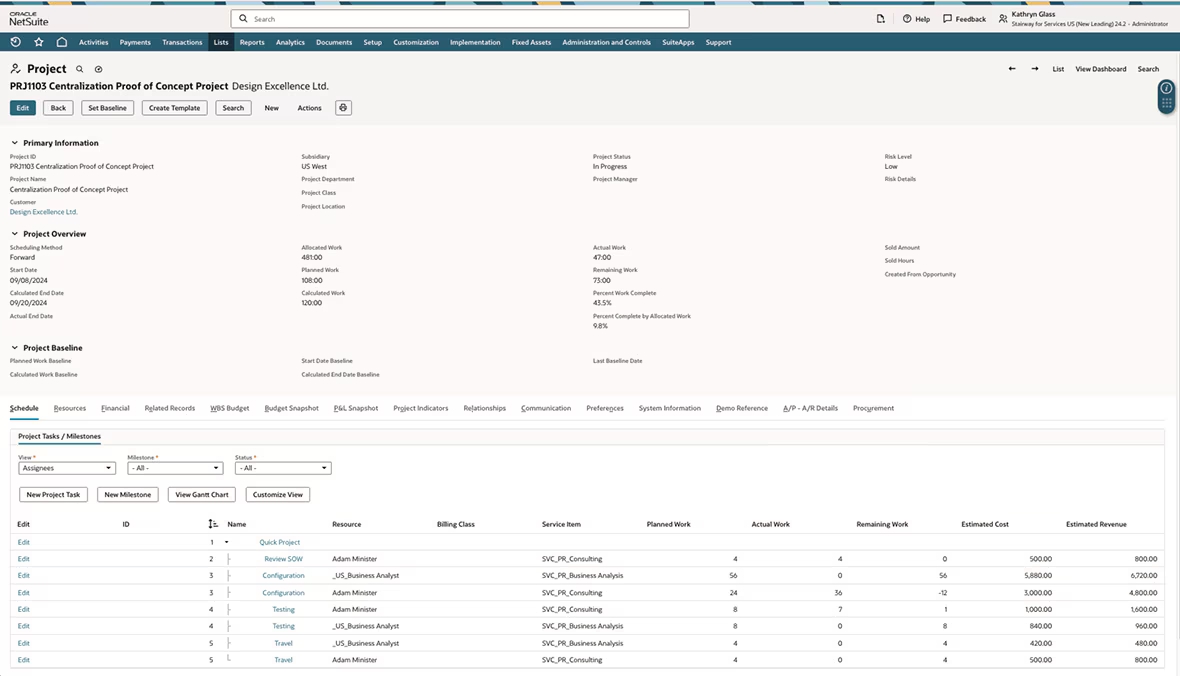
Project management within the oil and gas industry can be complex, with long timelines, high capital investment, and coordination across multiple teams and locations. NetSuite’s project management module equips businesses with a centralized system to plan and track projects, get real-time visibility into project expenses, monitor progress, allocate the right resources, and improve project profitability.
ERP for energy operations


Success stories: Real results & proven solutions


Automate Financial Workflows with NetSuite-ICICI Bank Integration


Dynamic Graphical Reports for Customer Sales in NetSuite


All About Migration from QuickBooks & ZohoBooks to NetSuite ERP
ERP built for oil and gas needs
- Centralized Operational Visibility


Gain insight into every department, from drilling to distribution, on a unified dashboard.
- Improved Cost Management

Monitor spending and resource utilization to ensure cost-effective energy delivery.
- Simplified Regulatory Compliance

Ensure accurate reporting and audit readiness with built-in compliance tools.
- Scalable for Global Operations

Manage multi-site and international operations with multilingual, multi-currency



Experience unparalleled business excellence.


Frequently asked questions
Still have questions?
Drop us a message and we will get back to you.
NetSuite ERP in the oil and gas industry is an integrated software system that centralizes and automates business operations and manages financials, operations, supply chain, asset management, and project management. It supports upstream, midstream, and downstream activities, while enabling real-time insights and visibility, improving forecast accuracy, reducing manual work, and reducing operational costs.
Yes, NetSuite is a comprehensive software solution built to efficiently manage multi-location and multi-subsidiary operations within a centralised platform. From consolidated financials to intercompany transactions, NetSuite provides seamless visibility and control across regions and business units.
The timeline for implementing NetSuite in an oil and gas business varies depending on factors such as company size, operational complexity, and customization requirements. On average, implementations are completed within a few months, with phased rollouts possible for larger or more complex operations.
For oil and gas companies, NetSuite ERP’s capabilities are integral in unifying core functionalities such as financials, supply chain, asset management, and project operations, unlike traditional ERP systems that often operate in silos and require multiple separate tools. Its cloud-based platform provides real-time visibility, scalability, and automation, enabling faster decision-making, improved efficiency, and reduced operational costs.
Still have questions?
Drop us a message and we will get back to you.