
Jewellery ERP Multi-Currency: Managing USD, INR & AED



Multi-Currency ERP System
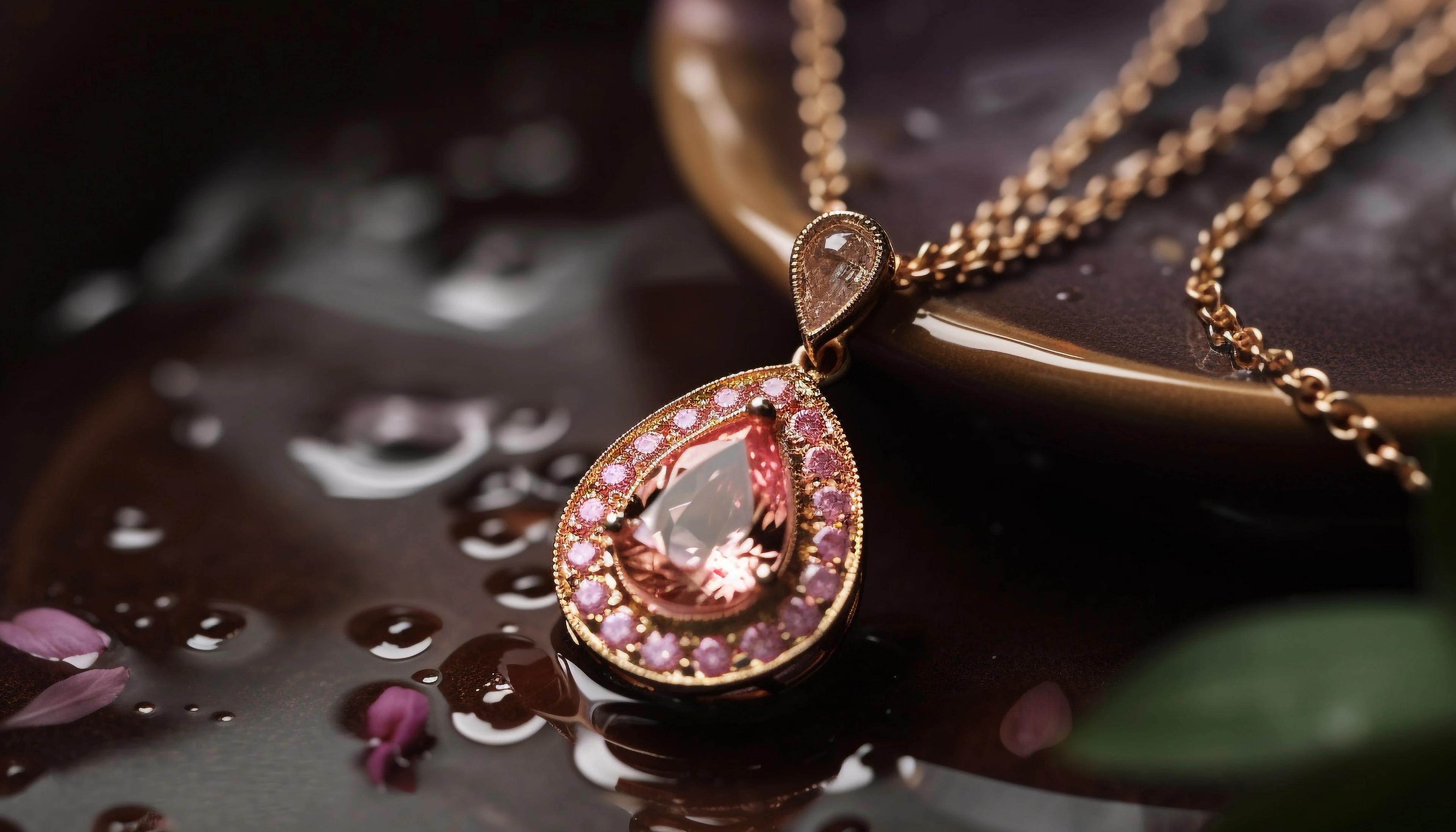
What happens when the same piece of jewellery lives three financial lives before reaching a customer? Bought in USD, crafted in INR, and sold in AED, in this sequence or the other way around, each step reshapes the material’s cost and profitability. Without a system that can track these shifting values in real time, the jewelry's value can dwindle and be lost across currencies.
A jewellery ERP system helps maintain and protect the value of jewellery. It does so by tracking every transaction, conversion, and fluctuation with precision. The system works by connecting procurement, production, and sales under one financial lens, so nothing is missed when currencies change. In a business where margins can be as delicate as the designs themselves, such a system is no longer optional but foundational.
In this guide, we will explore the phenomenon of Jewellery ERP, how multi-currency management works within it, and how businesses can confidently handle USD, INR, and AED without losing control of their profits.
What is Multi-Currency in ERP Systems?
In an ERP system, multi-currency management can be defined as the ability to record, process, and report transactions in more than one currency within a centralized platform. For jewellery businesses operating across borders, multi-currency management is a fundamental necessity. A robust ERP allows companies to transact in foreign currencies while maintaining a base currency for accounting and compliance.
Beyond simply handling multiple currencies, an ERP system brings structure and insight to how those currencies interact across the business. The system preserves the original transaction values while aligning them with a unified financial framework, allowing teams to compare costs, revenues, and margins without confusion. This becomes especially important in jewellery operations, where pricing is influenced not just by design and craftsmanship but also by fluctuating metal rates and international trade dynamics.
With a centralized system in place, businesses can monitor financial movements with greater oversight, respond faster to currency shifts, and maintain consistency across departments. Rather than treating currency conversion as a separate task, it becomes an integrated part of everyday operations, supporting clearer decision-making and more stable financial outcomes with multi-currency management in ERP systems.
Why Currency Management is Critical in the Jewellery Industry?
The jewellery industry operates across a global chain, with sourcing, manufacturing, and sales often occurring in different countries. Precious metals and gemstones may be purchased internationally, processed locally, and sold in entirely different markets, creating a constant interaction between multiple currencies. This makes the financial value of jewellery volatile, as shifting exchange rates, along with craftsmanship and demand, influence it.
Even small currency fluctuations can impact costs and pricing, especially with high-value materials like gold and diamonds. Without proper tracking, these changes can reduce margins and distort profitability. Effective currency management helps businesses maintain pricing control, protect margins, and achieve clear, consistent financial visibility.
Challenges of Managing Multiple Currencies in Jewellery Business
Buying in USD and Selling in INR or AED
Jewellery businesses frequently import raw materials priced in USD while operating in local markets like India or the UAE. This mismatch creates complexity in cost calculation. For instance, a jewellery manufacturer imports 100 grams of 22-carat gold at USD 62 per gram, totaling USD 6,200. At an exchange rate of INR 84 per USD, the purchase is recorded in the ERP at INR 5,20,800.
If the INR depreciates to INR 87 per USD before the supplier invoice is settled, the same purchase now represents INR 5,39,400, creating a INR 18,600 unrealized foreign exchange exposure on a single order. Scaled across bulk imports of several kilograms, this exposure can run into lakhs of rupees per shipment.
Without proper tracking, businesses may unknowingly sell at reduced margins or even losses. A multi-currency ERP captures this variance automatically as an unrealised foreign exchange loss at the transaction level, eliminating the need for manual journal entries or end-of-month reconciliation.
Exchange Rate Fluctuations and Profit Impact
Currency markets are volatile. Rates can shift daily, sometimes dramatically. In a business where margins are already sensitive to commodity prices, exchange rate fluctuations can quietly erode profitability. A difference of even 1 to 2 percent in exchange rates can be converted into a significant financial impact when dealing with bulk gold imports or high-value exports.
Without real-time updates and automated adjustments, businesses begin to lose their financial footing. Profit margins become unreliable because currency changes are not reflected accurately, pricing strategies lose precision, and financial forecasts become increasingly distorted. Over time, this situation creates a ripple effect where decisions are made on outdated or inconsistent data, making it difficult to maintain control over profitability and plan with confidence.
Risks of Manual Currency Management
Many jewellery businesses still rely on spreadsheets or other disconnected systems to handle currency conversions, which results in several risks. Human errors in calculations can lead to costly mistakes, while delayed updates in exchange rates result in inaccurate financial data.
Inconsistent financial reporting makes it difficult to maintain clarity across the business, and auditing or compliance becomes more complex and time-consuming. Additionally, manual processes slow down decision-making, and by the time information is consolidated, market conditions may have already changed.
How Multi-Currency Works in Jewellery ERP Systems?
Transaction-Level Currency Handling
A modern ERP system records each transaction in its original currency, whether it is a purchase order in USD, a manufacturing expense in INR, or a sales invoice in AED. This approach preserves the true value of every transaction at its source. At the same time, the system automatically converts these values into the base currency using predefined or real-time exchange rates. This dual handling allows businesses to maintain accuracy at the transaction level while still building a unified financial picture across operations.
Accounting and Base Currency Conversion
Every ERP system operates with a base currency that acts as the foundation for financial reporting. Multi-currency ERP systems convert all foreign currency transactions into this base currency to maintain consistency across records. They support automatic conversions using daily or custom exchange rates, store both the original transaction currency and the converted values, and generate accurate general ledger entries. This structured approach creates transparency and ensures that financial data remains traceable and compliant during audits.
Multi-Entity Financial Consolidation
Jewellery businesses with operations across multiple regions often manage several subsidiaries or branches. A multi-currency ERP brings all financial data together into a single, consolidated view. It enables group-level reporting, supports performance analysis across countries, and removes intercompany transactions for clarity. This provides decision-makers with a real-time, comprehensive snapshot of the business, regardless of the currencies or locations involved.
What Are the Key Features of a Multi-Currency Jewellery ERP System?
Real-Time Exchange Rate Management
Modern ERP systems integrate with financial data providers to fetch real-time exchange rates while also allowing businesses to define custom rates for internal use. This keeps financial data current and dependable, reduces the need for manual updates, and supports more informed pricing and procurement decisions. With accurate rates always in play, businesses can respond quickly to market movements without second-guessing their numbers.
Multi-Currency Invoicing and Transactions
ERP systems support invoicing in multiple currencies, making it easier to work with international customers and suppliers. They enable currency-specific invoices, apply taxes based on regional requirements, and track payments in the respective currencies. This not only simplifies global transactions but also creates a consistent experience for clients while keeping internal financial records aligned.
Financial Consolidation Across Countries
With built-in consolidation capabilities, ERP systems bring together financial data from multiple countries into a single view. They convert all figures into a unified reporting currency and generate consolidated balance sheets and income statements. This is particularly useful for businesses expanding internationally, as it provides a clear and cohesive understanding of overall financial performance.
Currency Revaluation and Gain/Loss Tracking
ERP systems automatically calculate both unrealized and realized gains or losses resulting from exchange rate changes. This helps maintain accurate financial statements, supports compliance with accounting standards, and offers better visibility into currency-related risks. By capturing these fluctuations systematically, businesses gain a clearer picture of how currency movements affect their bottom line.
Business Benefits of Multi-Currency ERP for Jewellery Companies
Improved Profit Accuracy
Multi-currency ERP systems bring clarity to profitability by applying accurate, up-to-date exchange rates across every transaction. This allows businesses to understand the true cost and revenue associated with each product, even when multiple currencies are involved. As a result, pricing decisions become more precise, reducing the risk of underpricing or margin erosion. In markets where both gold prices and exchange rates can shift quickly, this level of accuracy helps businesses maintain stable and healthy margins.
Faster and Reliable Financial Reporting
Automated currency management within the ERP system removes the need for manual data consolidation and conversion. This approach significantly improves the speed and reliability of financial reporting. Reports can be generated instantly with all currency values already aligned to the base currency, keeping consistency across the board. This gives leadership teams access to timely and accurate financial insights, enabling quicker decision-making and better strategic planning without delays caused by manual processes.
Seamless Global Expansion
With a multi-currency ERP in place, expanding into international markets becomes far more manageable from an operational standpoint. Businesses can transact in local currencies, work efficiently with global suppliers, and maintain centralized oversight of financial activities. This integrated approach reduces the complexity typically associated with cross-border operations, allowing companies to scale confidently while keeping financial control intact.
Real-World Use Case: Managing USD, INR, and AED in One ERP
The following are some of the real-world use cases where multi-currency management integrated into an ERP system can make a substantial difference:
Importing Gold in USD
A jewellery company imports gold from international suppliers priced in USD. The ERP records the purchase in USD while converting it into INR for accounting.
Manufacturing in INR
Production costs such as labor, utilities, and overheads are incurred in INR. These are tracked separately but linked to the original material cost.
Selling Jewellery in AED
Finished products are exported to the UAE and sold in AED. The ERP generates invoices in AED while converting revenue into INR for financial reporting.
Unified Financial Tracking Across Currencies
Despite operating in three currencies, the ERP provides a single, consolidated financial view. Business leaders can analyze profitability across each stage without worrying about manual conversions.
Why Multi-Currency ERP is Essential for Modern Jewellery Businesses?
Growth of Cross-Border Jewellery Trade
The global jewellery market is expanding like a finely linked chain across continents. Recent industry estimates place the global jewellery market at over USD 370 billion in 2024, with projections pushing it beyond USD 560 billion by the early 2030s, reflecting steady global demand and cross-border trade expansion.
India, one of the largest players in this ecosystem, continues to strengthen its export footprint. In FY2025–26 (April to August 2025 alone), India’s gems and jewellery exports reached approximately USD 11.1 billion, with long-term targets aiming for USD 75 billion by 2030. At the same time, trade flows are diversifying, with strong demand emerging from markets like the UAE, Hong Kong, and Australia, highlighting how jewellery increasingly moves across multiple economic zones before reaching the end customer.
As businesses increasingly source, manufacture, and sell across borders, operating in multiple currencies becomes a standard part of daily operations. To remain competitive in this environment, jewellery companies must adopt systems capable of handling diverse currency requirements while maintaining financial clarity and control.
Increasing Currency Volatility
Currency markets are constantly influenced by economic shifts, geopolitical developments, and fluctuations in commodity prices. For jewellery businesses dealing with high-value materials, even small changes in exchange rates can have a noticeable impact on costs and margins. A multi-currency ERP provides a stabilizing framework by capturing these fluctuations accurately and reflecting them in real time, helping businesses maintain reliable financial data despite external uncertainties.
Need for Centralized Financial Systems
As jewellery businesses grow, relying on disconnected systems can lead to inefficiencies and inconsistencies in financial and operational data. A centralized ERP with multi-currency capabilities brings all operations into a single platform, ensuring consistent data, smoother workflows, and better visibility into overall performance. This unified approach supports informed decision-making and allows businesses to scale without losing control over their financial processes.
Why Choose Oracle NetSuite for Multi-Currency ERP?
When it comes to managing multi-currency operations in a global jewellery business, Oracle NetSuite stands out as a purpose-built cloud ERP designed for exactly this kind of complexity. It brings together financial management, multi-entity operations, and real-time currency handling within a single, unified platform. Instead of relying on multiple tools or manual processes, businesses can manage international transactions, subsidiaries, and reporting in one place. This makes it especially valuable for jewellery companies dealing with USD, INR, AED, and beyond, where accuracy, speed, and visibility are critical to maintaining profitability and operational control.
Native Multi-Currency Capabilities
Oracle NetSuite offers built-in multi-currency functionality, allowing businesses to handle global transactions without additional integrations.
Multi-Subsidiary Financial Management
Oracle NetSuite OneWorld, the multi-entity management module, enables jewellery businesses to consolidate financial data across subsidiaries in India, the UAE, and other markets into a single base-currency reporting view. Intercompany transactions are automatically eliminated during consolidation, and group-level profit and loss statements can be generated in real time without manual data aggregation.
Scalable Cloud ERP Platform
As a cloud-based solution, NetSuite grows with the business. Whether expanding into new markets or increasing transaction volumes, the system adapts without requiring major infrastructure changes.
Jewellery Manufacturing Suite by Jobin & Jismi: Built for Multi-Currency Jewellery Operations
Overview of Jobin & Jismi’s Jewellery Manufacturing Suite
The Jewellery Manufacturing Suite is designed to easily sync with the routine of jewellery operations, from sourcing raw materials to delivering the finished product. Our system brings procurement, production, inventory, and sales into one connected environment, reducing operational gaps. By aligning each stage of the value chain, it allows businesses to track costs, materials, and outputs with clarity. This unified approach helps maintain consistency, improve traceability, and support better production planning.
Built on Oracle NetSuite
Built on Oracle NetSuite, Jobin & Jismi’s Jewellery manufacturing suite embodies a strong cloud ERP foundation that supports scalability and real-time data access. It combines industry-specific workflows with enterprise-grade financial and operational capabilities. This integration allows jewellery businesses to manage complex processes without switching between systems. The result is a connected ecosystem where financials, inventory, and operations work in sync.
Multi-Currency Capabilities for Global Jewellery Businesses
The suite supports multi-currency transactions across procurement, production, and sales, making it ideal for globally active jewellery companies. It incorporates real-time exchange rate updates to reflect accurate financial values at every stage. Businesses can generate consolidated financial reports across currencies without manual intervention. As a result, international operations become smoother, and control over profitability across regions improves.
Industry-Specific Features for Jewellery Manufacturing
Beyond financial management, the Jewellery Manufacturing Suite includes features tailored to jewellery manufacturing workflows. It supports detailed tracking of metals and stones at carat, weight, and purity levels, enabling precise FIFO-based costing and accurate valuation across production. Within the Jobin & Jismi Jewellery Manufacturing Suite, Job Bag Management tracks the complete lifecycle of each production bag, from creation to splitting, merging, routing across workstations, and final closure, with barcode-based identification at every stage.
Stage-wise Tracking captures pass and fail quality results at each production point, such as casting, setting, and polishing, creating a complete audit trail for every piece. The Product Development (PD) module manages the entire design lifecycle, from initial concept and CAD development to final approval, with version control and a customer-accessible design library.
Together, these modules bring structured production control, traceability, and automated gold loss calculation, aligning closely with real-world jewellery manufacturing requirements while maintaining both operational accuracy and product integrity.
Why Choose Jobin & Jismi for Jewellery ERP Implementation?
Today, Jobin & Jismi stands as a well-established global business solutions provider specializing in Oracle NetSuite implementation, customization, and integration. As a certified Oracle NetSuite Solution Provider Partner, we have successfully delivered 100+ implementations across industries such as jewellery manufacturing, retail, wholesale distribution, financial services, and manufacturing. With a strong focus on digital transformation, we help organizations optimize processes and make informed decisions through tailored ERP solutions.
With years of hands-on experience, Jobin & Jismi has built a reputation for delivering end-to-end NetSuite services, from consulting and system design to deployment and ongoing support. Our Jewellery Manufacturing Suite, built on Oracle NetSuite, is developed in direct collaboration with jewellery manufacturers, ensuring that it reflects real-world operational needs rather than generic ERP assumptions.
Expertise in Jewellery ERP Solutions
Our deep industry expertise allows us to address the intricate nature of jewellery operations. From carat-level inventory management to job bag production tracking and multi-currency procurement, we design systems that mirror how jewellery businesses function on the ground. We also factor in regulatory and compliance requirements across markets like India, the UAE, and global trade environments, ensuring that the ERP aligns with both operational workflows and financial realities.
Proven NetSuite Implementation Experience
With extensive experience in Oracle NetSuite implementations, Jobin & Jismi follows a structured and methodical deployment approach. Each phase, from requirement analysis to configuration, testing, and go-live, is handled with precision. This minimizes risk, improves adoption, and allows businesses to transition smoothly while maintaining operational continuity.
End-to-End Multi-Currency ERP Deployment
We provide complete support across the ERP lifecycle, implementing fully integrated multi-currency capabilities tailored for jewellery businesses. Whether handling USD, INR, or AED, our solutions go beyond simple currency conversion. They support accurate costing, margin protection, and real-time financial visibility across international transactions, helping businesses operate confidently in global markets.
Managing multiple currencies in a jewellery business is not just about exchange rates. It is about preserving financial clarity in a fast-moving market where even small fluctuations matter. A well-implemented multi-currency ERP transforms complexity into control, giving businesses a clear financial compass for global growth.
Let Jobin & Jismi support your journey toward smarter, compliant, and scalable jewellery operations with our specialized ERP solutions. Contact us to learn more about how our multi-currency Jewellery ERP system can help you build a stronger, more resilient business.
Frequently Asked Questions
What is multi-currency in a jewellery ERP system?
Multi-currency management is the ability of an ERP system to handle transactions, accounting, and reporting in multiple currencies within a single platform.
Why is multi-currency important for jewellery businesses?
As jewellery businesses buy, manufacture, and sell materials across different countries, managing currency is important for accurate pricing and profitability.
How does multi-currency ERP handle exchange rate fluctuations?
A multi-currency system integrated into ERP uses real-time or predefined exchange rates to automatically convert transactions and track gains or losses.
Can a jewellery ERP system manage USD, INR, and AED simultaneously?
Yes, with Oracle NetSuite, a jewellery business can seamlessly manage USD, INR, AED, and other currencies within a single system. Through the Jewellery Manufacturing Suite built on NetSuite, businesses can process purchase orders in USD, record manufacturing labor and overhead costs in INR, and generate customer invoices in AED.
Each transaction is automatically converted into the base currency using real-time or predefined exchange rates, while currency gains or losses are captured at the transaction level itself rather than being adjusted manually at month-end.
What are the risks of managing multiple currencies manually?
Manual currency management can lead to errors, outdated exchange rates, inconsistent reporting, and reduced profitability.
How does multi-currency ERP improve profit accuracy?
By applying accurate exchange rates and tracking currency impacts in real time, modern-day multi-currency ERP systems make sure that the margins reflect actual business performance.
on LinkedIn